
- The call of Isaiah—a man undone by glory and remade by grace
- The prophetic warnings to Judah and the surrounding nations
- The messianic prophecies that point to Jesus—born of a virgin, pierced for our transgressions, ruling as Prince of Peace
- The tender hope of restoration, renewal, and a new heaven and new earth
- Teacher: Dennis Wilson
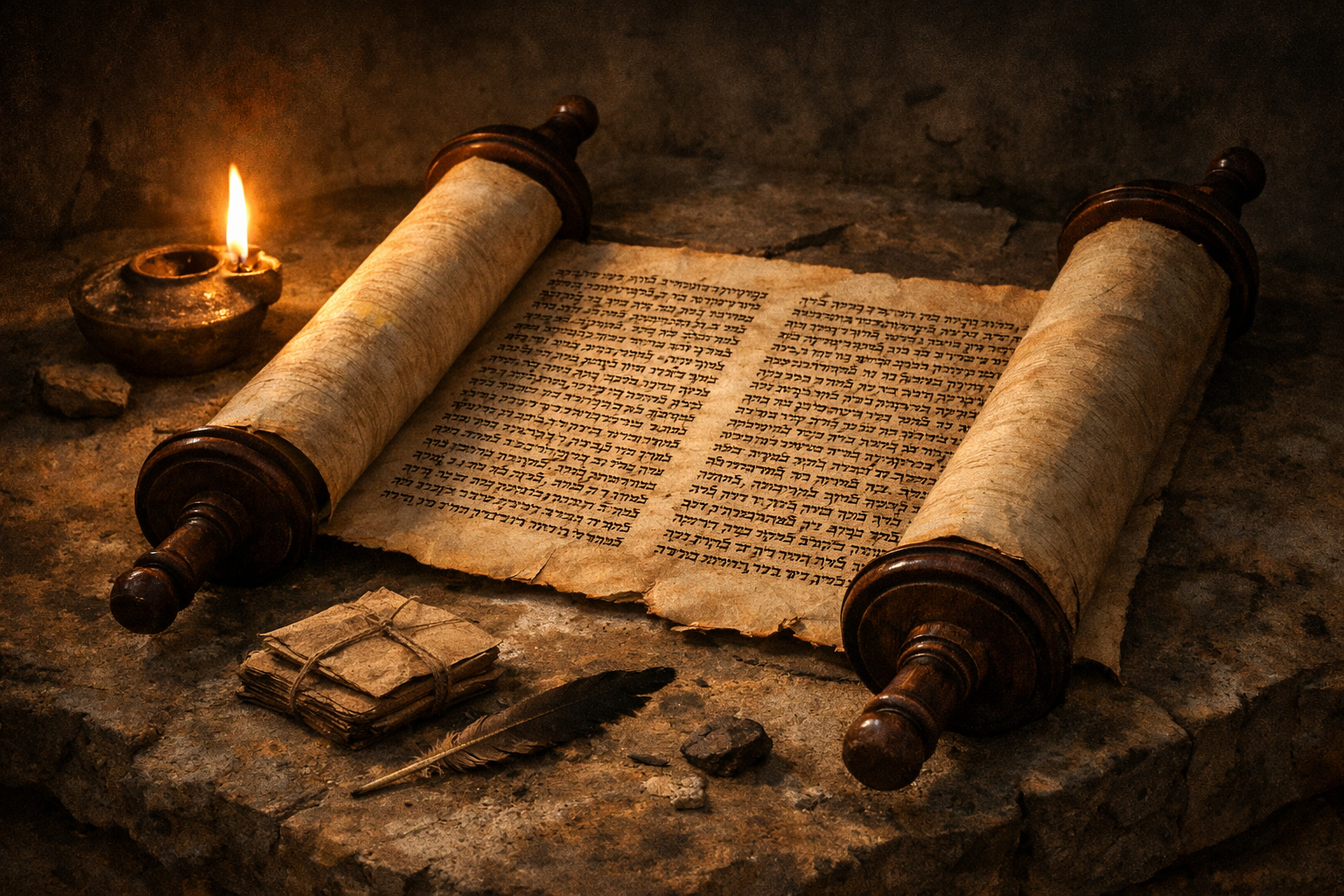
If the historical books show us what happened, the wisdom books show us how faithful people live, suffer, worship, and think before God. In this deep, text-centered study, we will explore the poetry and honesty of the Bible’s Wisdom Literature: Job, Psalms, Proverbs, Ecclesiastes, and Song of Solomon.
This course does more than teach doctrine—it gives voice to worship, suffering, longing, joy, and the hard questions God’s people have always asked. Students will listen to Job from the ash heap, pray with the psalmists in seasons of praise and pain, learn practical wisdom from Proverbs, wrestle with life “under the sun” in Ecclesiastes, and study the celebration of love and marriage in Song of Solomon.
These books were not written from ivory towers, but from caves, courts, deserts, and homes. Together they speak to the full range of human experience—suffering without easy answers, worship without pretense, wisdom without formulas, and love as God designed it.
Throughout the course, we will focus on the unifying theme of wisdom itself: the fear of the LORD. From beginning to end, these writings teach that true wisdom does not begin with intellect or experience, but with reverence for God and submission to His will.
This is not a course for quick answers or shallow reading. It is a course for careful study, honest reflection, and growing reverence for the God who meets His people not only in commandments, but in prayers, poems, and life’s deepest questions.
- Teacher: Dennis Wilson
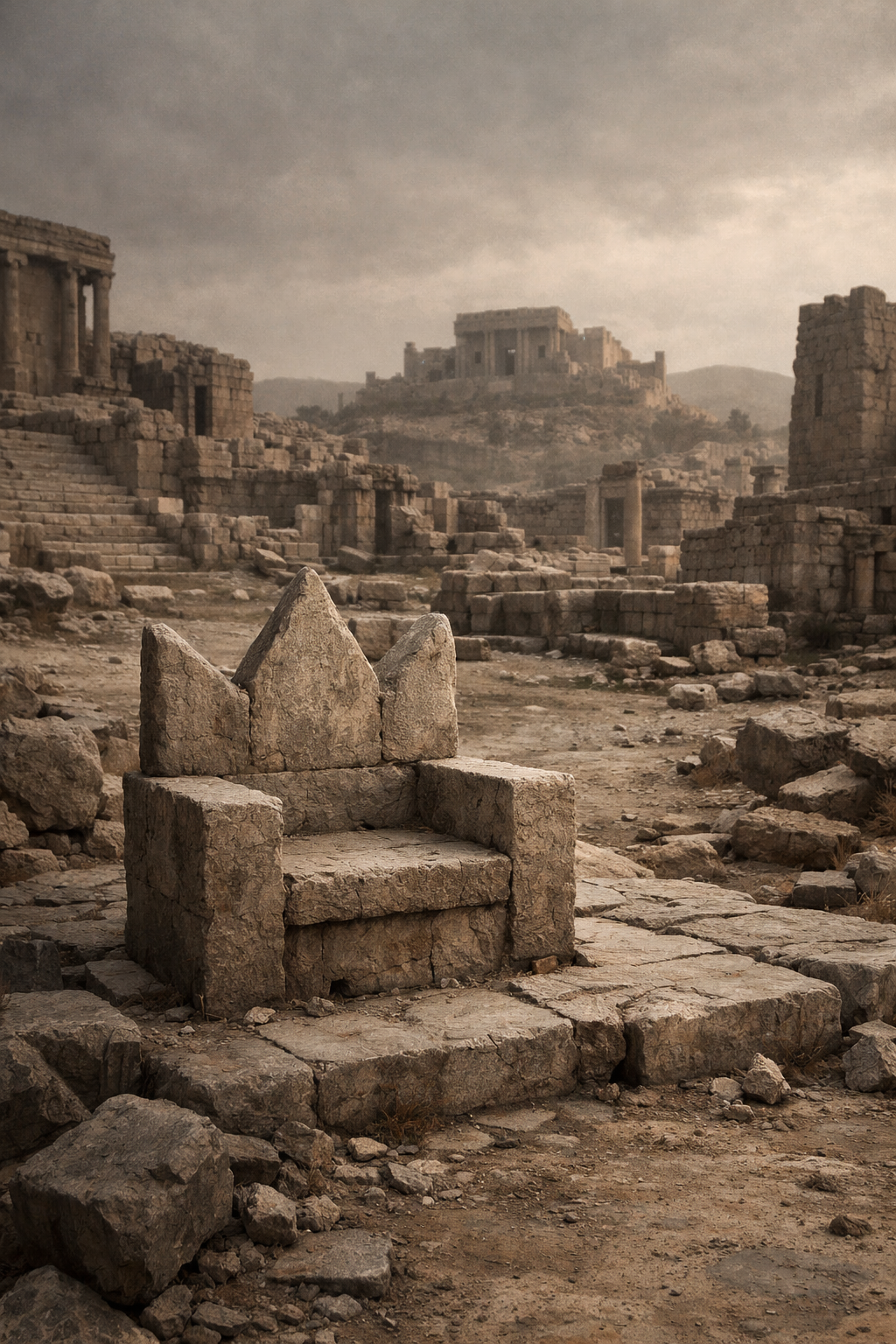
Swords are drawn, trumpets sound, and walls fall as Israel steps into the land of promise. But the story doesn’t end with conquest. From Joshua through 2 Kings, this course traces centuries of victory, failure, reform, and decline—revealing what happens when God’s people struggle to live faithfully in the land He gave them.
In this second sweep through Bible history, students will follow Israel from the conquest of Canaan through the turbulent era of the judges and into the rise of the monarchy. We will examine the people’s demand for a king, the reigns of Saul, David, and Solomon, and the painful consequences of divided loyalties and divided kingdoms.
This portion of Scripture is marked by contrast: courageous obedience and stubborn rebellion, prophetic warnings and ignored calls to repentance. Figures such as Deborah, Samuel, Elijah, and Hezekiah stand alongside tragic leaders whose choices lead the nation further from God. Throughout it all, Israel’s history becomes a mirror—revealing the dangers of compromise and the cost of forgetting the Lord.
Yet even in decline, God remains faithful. His prophets continue to speak, His promises endure, and His mercy persists in the face of human failure. Joshua through 2 Kings is not merely a record of political rise and collapse—it is a theological history that explains why judgment comes, why repentance matters, and why hope must rest in God rather than in human rulers.
Bible History II invites students to wrestle with the hard lessons of Israel’s past and to see how God’s faithfulness stands firm even when His people do not.
- Teacher: Rex Boyles

Before kings and prophets, before temples and tribes, there was a garden, a command, and a promise. This foundational course explores the first five books of the Bible—Genesis through Deuteronomy—where God creates the world, calls a people, and establishes the covenant that shapes all of Scripture that follows.
This is not a dry survey of ancient events. It is a careful, text-centered study of beginnings—where the Creator brings order from chaos, forms humanity in His image, and reveals His character through both judgment and mercy. Students will examine the fall of man, the flood, and the promises made to Abraham, tracing how God works through flawed people to carry forward His purposes.
The course follows the story of the patriarchs—Abraham, Isaac, Jacob, and Joseph—and then turns to God’s mighty acts in the Exodus: deliverance from Egypt, the giving of the Law, and the formation of Israel as a covenant nation. Along the way, we will study themes that define the Bible itself: covenant, holiness, sacrifice, obedience, mercy, and God’s unwavering faithfulness.
Genesis through Deuteronomy lays the groundwork for everything that comes later. It explains who God is, who His people are, and why redemption is necessary. Long before Bethlehem, the foundation is set.
This course invites students to meet the God who creates, calls, corrects, and sustains His people—preparing them not for the end of the story, but for what is yet to come.
- Teacher: Rex Boyles
- Teacher: Dennis Wilson
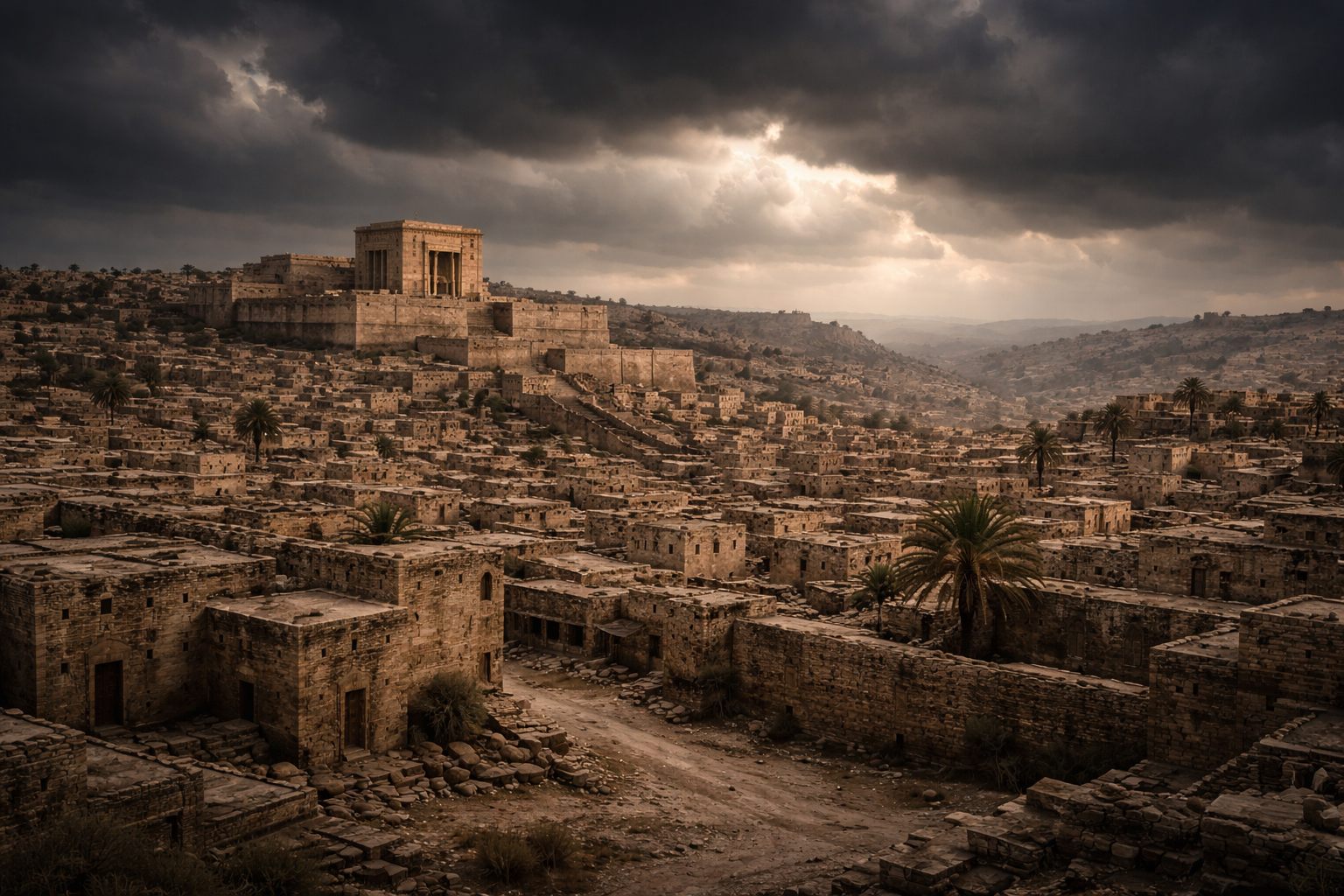
The Minor Prophets are not quiet reflections tucked away at the back of the Old Testament. They are thunderous proclamations from a holy God confronting covenant-breaking people. When God speaks through these prophets, He does not whisper—He roars.
In this course, students will study the twelve Minor Prophets—from Hosea to Malachi—as God’s authoritative messengers sent to expose sin, confront injustice, call for repentance, and announce both judgment and hope. These books arise from real historical crises: corrupt worship, moral collapse, political arrogance, and spiritual complacency. The prophets speak into those moments with unmistakable urgency.
Through careful, text-centered study, we will examine the historical setting and message of each prophet, paying close attention to recurring themes such as covenant faithfulness, social justice, idolatry, the Day of the LORD, repentance, and restoration. Students will see how God brings formal charges against His people, warns of consequences, and yet continues to call them back to Himself.
The Minor Prophets reveal a God who is unyieldingly righteous and relentlessly faithful. Judgment is never arbitrary, and mercy is never cheap. Restoration comes only after confrontation, and hope follows only where repentance is possible. These books refuse to allow comfortable religion or empty ritual to stand unchallenged.
This is not a sentimental or selective reading of the prophets. It is a serious study of how God speaks when His people refuse to listen—and how His purposes move forward even through judgment. When God roars, it is not to destroy indiscriminately, but to awaken, to correct, and to preserve a people for His name.
When God Roars invites students to hear these prophetic voices clearly, to take God’s covenant demands seriously, and to recognize that the same holy God who spoke then still calls His people to faithfulness today.